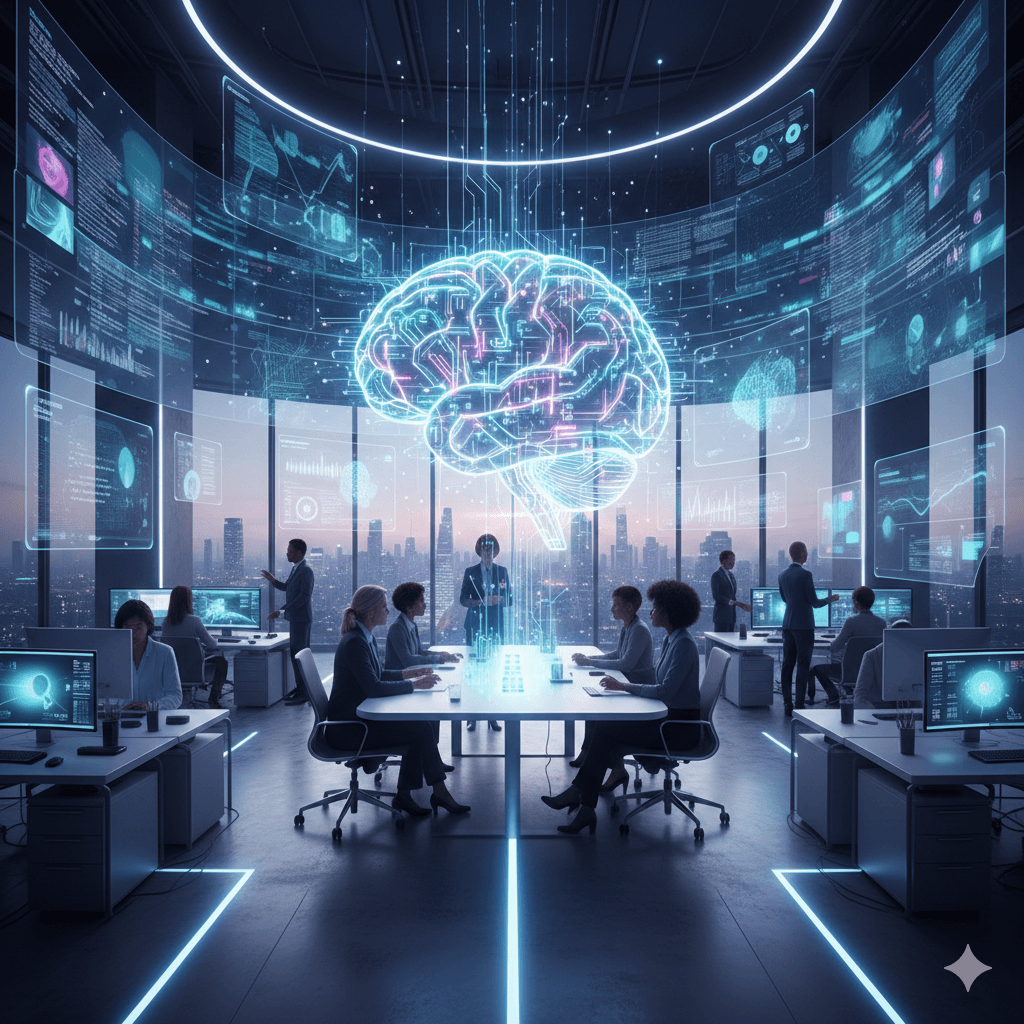
The Future is Now: Decoding the Latest Trends in the Tech Industry
The tech industry is a relentless, ever-evolving beast, constantly pushing the boundaries of what's possible. From the smallest startups to the largest global corporations, innovation is the lifeblood that keeps this sector pulsating. Staying on top of the latest trends isn't just about curiosity; it's essential for anyone looking to thrive in this dynamic landscape. As Eric Schmidt, former CEO of Google, once said, "The internet is the first thing that humanity has built that humanity doesn't understand, the largest experiment in anarchy that we have ever had." This sentiment perfectly encapsulates the wild, unpredictable, and exciting nature of tech.
Let's dive into some of the most impactful trends shaping the tech world right now.
Artificial Intelligence: Beyond the Hype
Artificial Intelligence (AI) isn't just a buzzword anymore; it's a foundational technology that's permeating every aspect of our lives. From intelligent assistants that organize our schedules to sophisticated algorithms that power medical diagnostics, AI's applications are vast and growing.
The real excitement lies in the advancements in machine learning and deep learning. We're seeing AI models that can generate human-like text, create realistic images, and even write code. This isn't just about automation; it's about augmentation – empowering humans with tools that amplify their capabilities. The next frontier for AI involves making these powerful tools more accessible, intuitive, and integrated into our daily workflows.
"AI is the new electricity," famously stated Andrew Ng, a leading figure in AI. "Just as electricity transformed almost everything 100 years ago, I think AI will now transform almost everything." This powerful analogy highlights the pervasive and fundamental shift AI is bringing to our world. We're moving towards a future where AI will optimize everything from supply chains to personalized education, unlocking efficiencies and possibilities we could only dream of before. The ethical considerations and the need for responsible AI development are also paramount as this technology continues its rapid ascent.
The Metaverse and Web3: Reshaping Digital Interaction
The concepts of the Metaverse and Web3 are generating immense buzz, promising a decentralized and immersive internet experience. While still in nascent stages, these technologies hint at a future where our digital interactions are more profound and ownership is truly in the hands of the users.
The Metaverse envisions a persistent, interconnected virtual world where users can work, play, socialize, and shop in 3D environments. Think beyond simple video calls to fully embodied avatars interacting in shared digital spaces. Web3, built on blockchain technology, underpins this vision by offering decentralization, verifiable digital ownership (through NFTs), and new economic models. It's about shifting power from large corporations to individual users and communities.
"The metaverse is coming. Metaverse is not just a place, it's a moment," proclaimed Jensen Huang, CEO of NVIDIA. This emphasizes that it's not just a technological shift but a cultural and societal one. From virtual concerts to digital real estate, the possibilities are vast. However, challenges around interoperability, accessibility, and the underlying infrastructure still need to be addressed before the Metaverse becomes a mainstream reality.
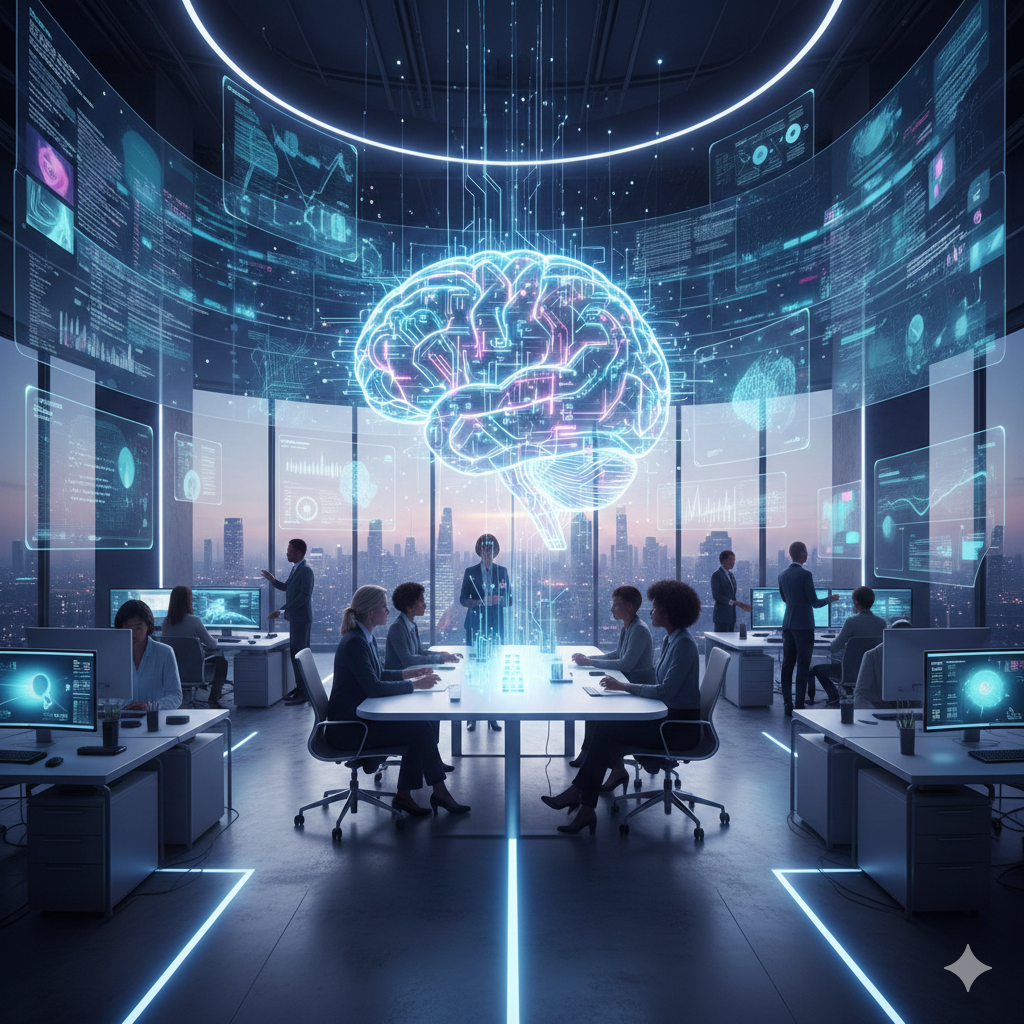
Cybersecurity: The Ever-Growing Imperative
As our world becomes increasingly digitized and interconnected, the importance of cybersecurity cannot be overstated. Every new technological advancement, from cloud computing to IoT devices, introduces new vulnerabilities that malicious actors are eager to exploit. Data breaches, ransomware attacks, and state-sponsored cyber warfare are constant threats that demand robust and innovative solutions.
The focus in cybersecurity is shifting from reactive defense to proactive threat intelligence and predictive analytics. Organizations are investing heavily in AI-powered security systems that can identify anomalies and potential threats before they cause significant damage. Furthermore, the human element remains crucial, with a strong emphasis on cybersecurity education and training for all users.
"The cyber threat is the biggest threat facing our country and our planet," stated Ginni Rometty, former CEO of IBM. "We have to unite together, governments, companies, individuals, to address it." This collective responsibility is essential. As individuals, practicing strong password hygiene and being wary of phishing attempts are vital. For businesses, implementing multi-factor authentication, regular security audits, and fostering a security-first culture are non-negotiable. The battle for digital safety is ongoing and requires continuous vigilance and adaptation.
Resources
Latest from the blog
The latest industry news, technologies, and resources.
Ready to start your next project?
Join over 4,000+ startups already growing with our engineering and design expertise.
Trusted by innovative teams everywhere