Business systems that run themselves
Custom CRM, ERP, and operations tools that automate the busywork and keep your teams in sync.
What we deliver
CRM and Business Systems services
Why Techneth
Why teams choose us for crm and business systems
However you engage us, the way we work stays the same: full ownership, clear communication, and a relentless focus on shipping.
Direct access to your team
You talk straight to the people building your product, with clear communication and no layers in between.
Full product lifecycle
Strategy, design, build, and scale, all handled by one team under one roof.
Agile and transparent
Two week sprints with regular demos, so you always know exactly where things stand.
Built to scale
Architected for growth from day one, so what we build keeps pace as your business grows.
Tech stack
The tools behind your crm and business systems
We pick proven, modern technologies based on what your project actually needs, not passing trends.
 React
React Node.js
 TypeScript
 PostgreSQLReactNode.jsTypeScriptPostgreSQL
 Prisma
 Redis
Redis DockerPrismaRedisDocker
Industries we serve
Built for your industry focused on your success
We deliver crm and business systems projects across regulated, high volume, and fast moving sectors. Every build starts by learning how your industry actually operates.
Fintech and Banking
Secure payments, lending, and compliance heavy platforms.
Healthcare
Patient portals and clinical tools built for privacy.
Retail and E-commerce
Storefronts, checkout, and inventory that scale with demand.
Logistics and Supply Chain
Tracking, routing, and warehouse systems in real time.
Education
Learning platforms, course delivery, and student systems.
Real Estate
Listing portals, CRM, and property management tools.
Travel and Hospitality
Booking engines and guest experience platforms.
SaaS and Technology
Multi-tenant products, dashboards, and developer tooling.
Manufacturing
Production tracking, ERP, and operations dashboards.
Media and Entertainment
Content platforms, streaming, and audience analytics.
Legal and Professional
Case management, document workflows, and client portals.
Energy and Sustainability
Monitoring, reporting, and efficiency platforms.
Do not see your sector? Tell us about your project and we will map the right approach with you.
Use cases
What we build with crm and business systems
A snapshot of the kinds of projects teams come to us for. If yours is not listed, it probably still fits.
Selected work
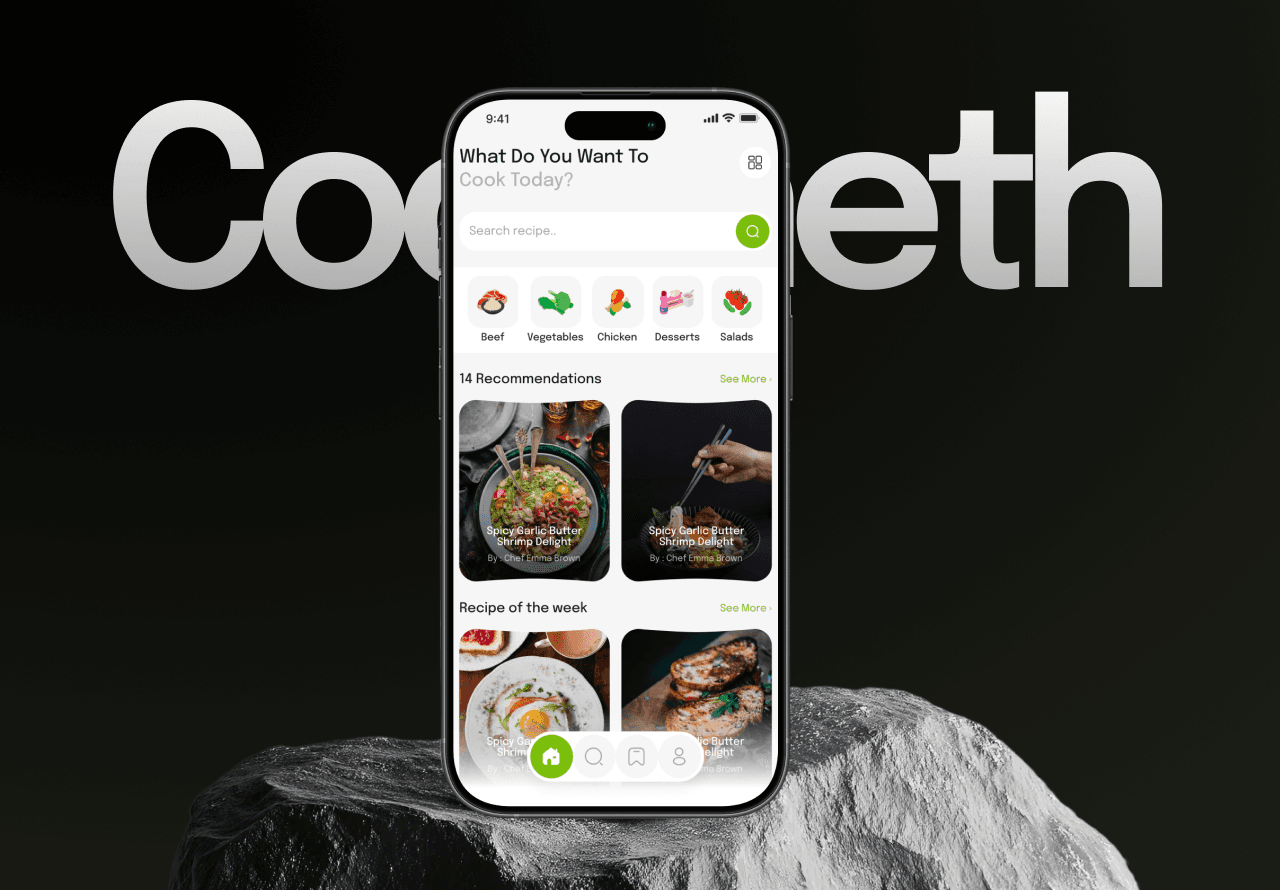
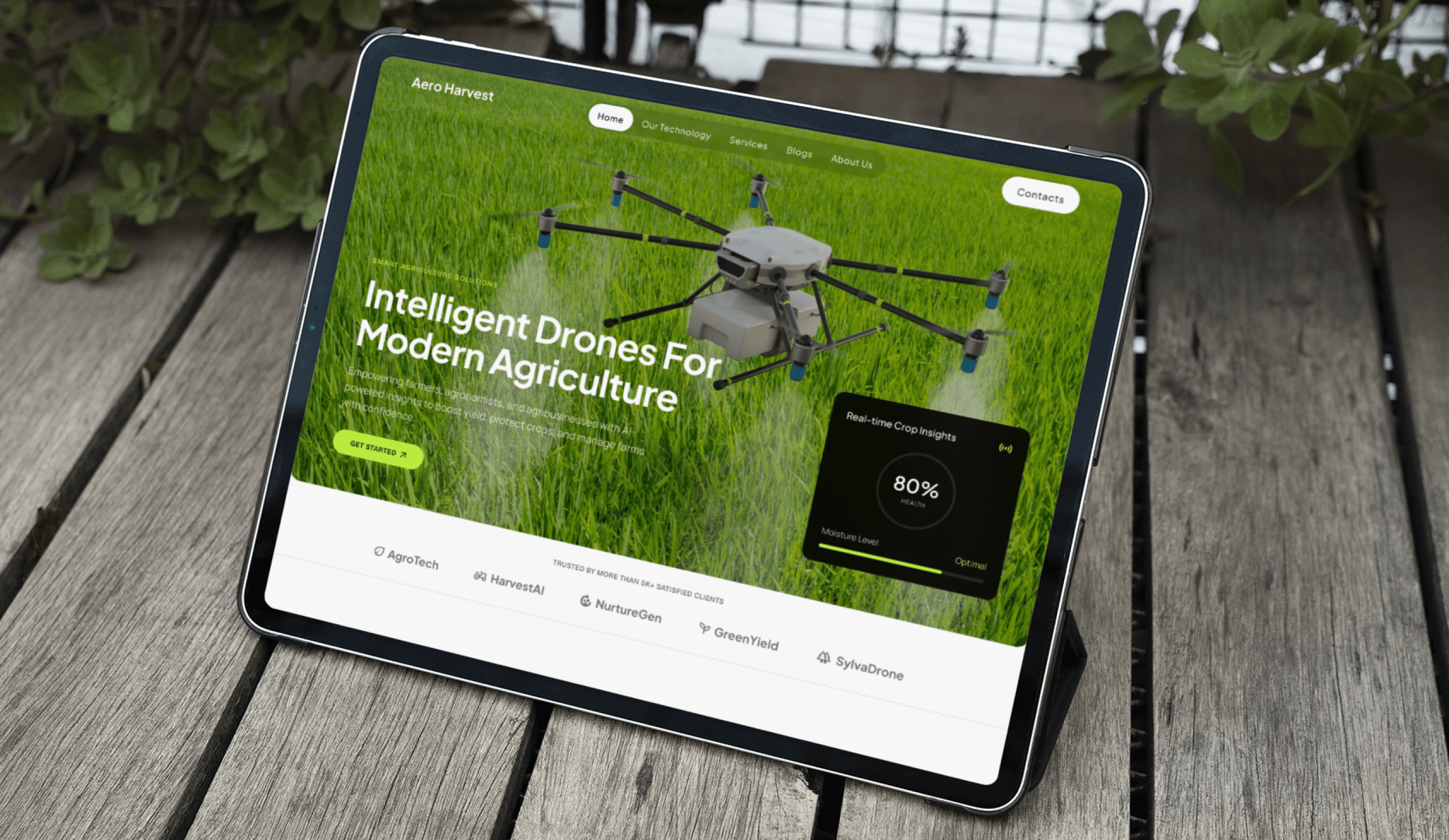
Recent case studies
A look at how we help businesses transform and grow through custom software.

How we work
Our Process
A transparent, agile workflow designed to deliver results on time and within budget.
Discovery
We begin with a deep dive into your business goals, user needs, and market landscape. This phase defines the problem space and sets clear KPIs for the project.
Architecture
Our team maps out the technical blueprint and user experience. We create wireframes, prototypes, and a scalable system architecture aligned with your long term goals.
Agile Development
We build in two week sprints, giving you regular updates and usable increments of code. This iterative approach allows for constant feedback based on real world testing.
Quality Assurance
Rigorous testing happens at every stage. We use automated unit tests and manual QA to ship a reliable build that performs under pressure.
Launch and Support
We manage the full deployment and provide ongoing maintenance. Our team stays by your side after launch to monitor performance and ship new features.
Testimonials
Trusted by the world’s best teams
We were running client records across spreadsheets and email, and it was starting to break. Techneth spent real time understanding how we actually work before proposing anything, which I appreciated. The dashboard they built matches our process instead of forcing us into someone else’s. Onboarding a new client now takes minutes.
Operations Lead, Expat relocation services, VarnaAn emergency app has one job: work the moment someone needs it. Techneth took that seriously. They pushed back on features that would have slowed the alert flow down and were straight with us about what was and wasn’t realistic in the timeline. Communication was consistent throughout.
Selman, Co-Founder, ResqueU, HollandAs a driving instructor I know my business, not software. Techneth translated what I described into a working product and stayed with me through App Store submission, which I would not have managed alone. When I asked for changes mid-build they explained the cost and time honestly rather than just saying yes.
Abdul Noorani, Driving instructor & Managing Director, AWN App Works Ltd, United KingdomTechneth worked as part of our team rather than an outside vendor. Weekly demos, no surprises, and when something slipped they told us early instead of at the deadline. That is rarer than it should be.
Sophie Bennett, Product Manager, SuperStat, United StatesThe matching logic was the hard part and they treated it as an engineering problem, not a marketing one. Clean build, and the design work held up when we started putting it in front of real users.
James Whitfield, Founder, Lovelab
FAQ
CRM and Business Systems questions, answered
The things clients ask us most about crm and business systems.
Off the shelf tools are great when your process is standard. Custom systems pay off when your workflow is a competitive advantage or existing tools force awkward workarounds. We help you weigh the trade offs honestly before you commit.
Ready to start your next project?
Let us turn your idea into software that scales. Book a free consultation and we will map out the build with you.
Trusted by the teams we build with