Backend and API Development That Holds Up
The part of a product users never see and always feel. APIs, data models, and integrations built to be documented, tested, and readable by whoever picks them up next.
Overview
What is Backend and API Development?
Backend development is the work of building the server side of an application: the database, the business logic, and the APIs that clients call. An API is the contract between systems, defining what can be requested, what comes back, and how errors and permissions behave.
Backend work gets judged two years later, by whoever has to change it. So the emphasis is on the decisions that stay cheap: a data model that matches the business rather than the first screen, endpoints that behave consistently, versioning that does not break existing clients, and errors that say what went wrong. Authentication, permissions, background jobs, and third party integrations are built as part of the system rather than bolted on. Everything ships with tests, an API specification, and documentation you could hand to another team.
Capabilities and features
Contracts First, Code Second
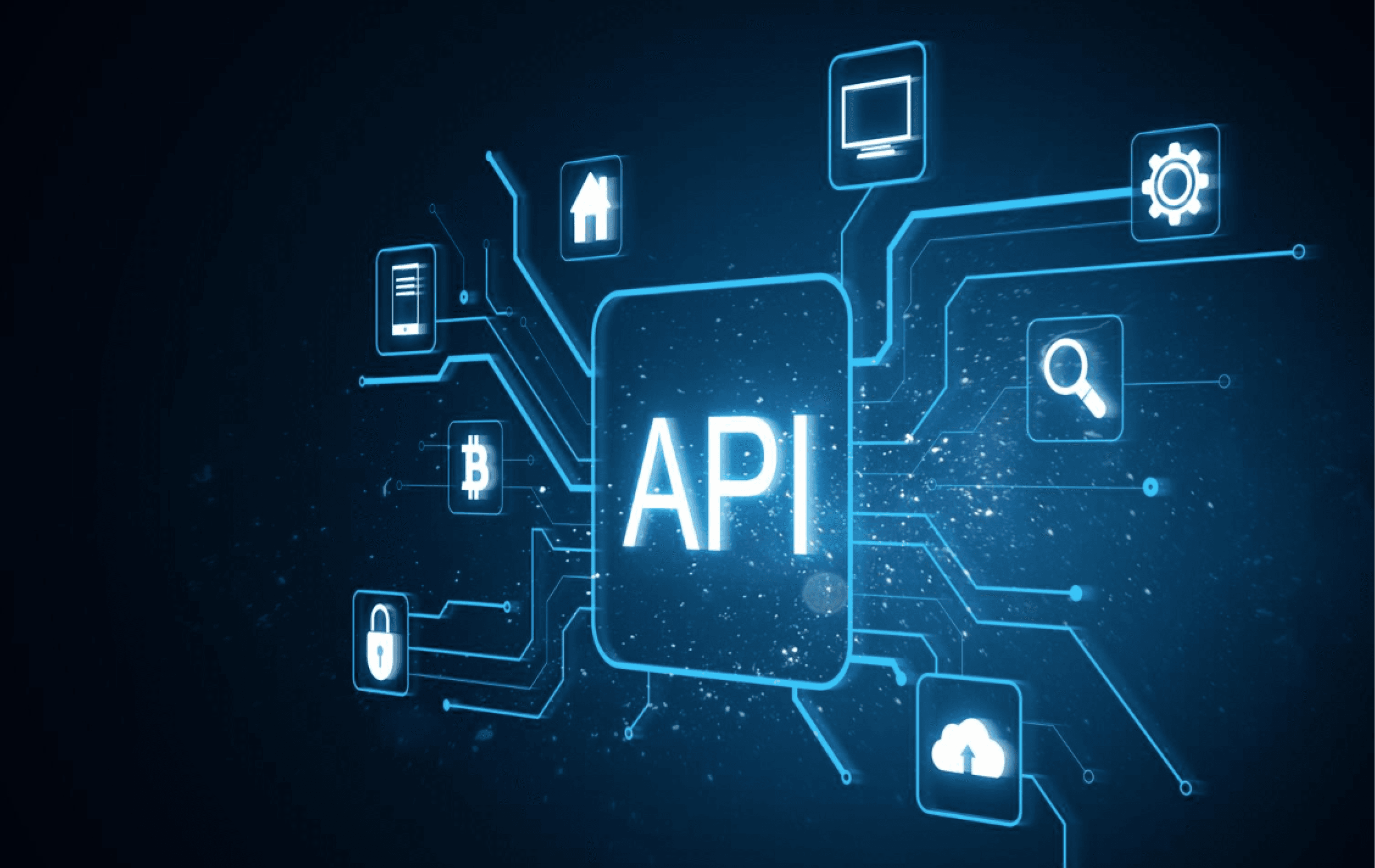
Endpoints, payloads, error shapes, pagination, and versioning are agreed and documented before implementation, so frontend and mobile teams can build against them in parallel. REST or GraphQL is chosen for the case rather than out of habit.
- OpenAPI or GraphQL schema written before implementation
- Consistent errors, pagination, filtering, and versioning
- Rate limiting, authentication, and permissions designed in
A Schema That Matches the Business
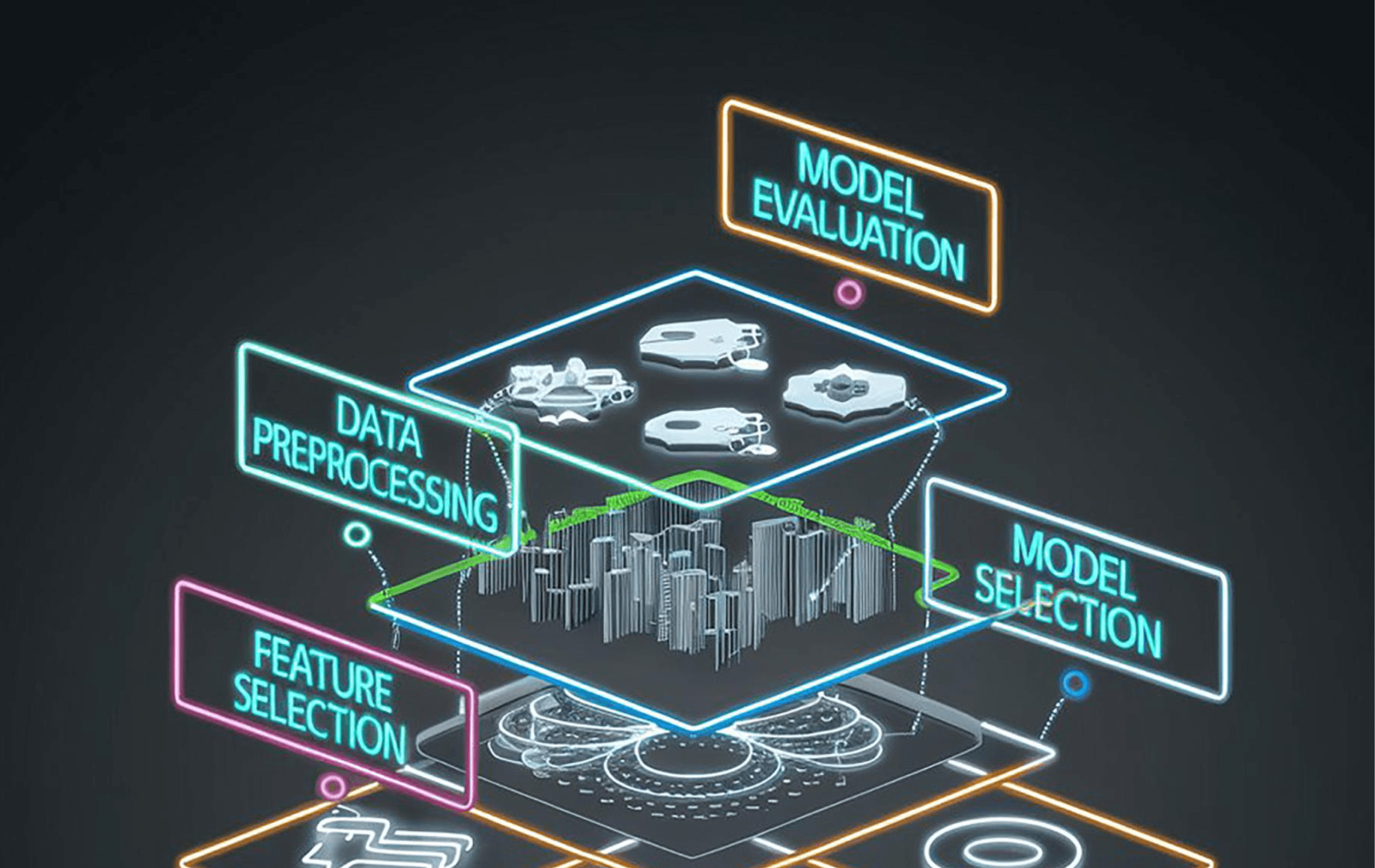
The data model follows how the business actually works, not the shape of the first screen somebody designed. Constraints, indexes, and migrations are treated as part of the model, which is what keeps queries fast and data trustworthy as volume grows.
- Normalised schema with constraints that protect the data
- Indexes and query plans reviewed under realistic volume
- Repeatable migrations, safe to run against live data
Third Party Systems That Fail Gracefully
Payment providers, CRMs, shipping, email, and internal systems connected with retries, idempotency, and clear handling for the day the other side is down. Long running work moves onto a queue so requests stay fast.
- Idempotent integrations with retries and dead letter handling
- Background jobs and scheduled work on a real queue
- Webhooks verified, logged, and replayable
The real impact
Why it matters
Frontends get replaced every few years. The backend and its data model usually outlive them, so a shortcut there is paid for by every feature that follows. Clean contracts and real documentation are what keep the tenth change as cheap as the first.
The API economy is growing at 34% annually. APIs are business products that drive revenue, enable partnerships, and power every digital experience.
Source: Orbilontech / AInvest, 2026
Over 90% of new enterprise applications use APIs as core architecture. Building without APIs is building without a future.
Source: Gartner / Market Data Forecast, 2025
The average enterprise manages 354 APIs. Each needs design, security, monitoring, and documentation.
Source: Orbilontech / API Economy Report, 2026
Technologies we build with
 Node.js
 Python
 PostgreSQL
 MongoDB
 Redis
Redis GraphQLNode.jsPythonPostgreSQLMongoDBRedisGraphQL
 Kafka
Kafka Docker
 Kubernetes
 AWS
AWS Stripe
 gRPCKafkaDockerKubernetesAWSStripegRPC
Explore more
Related services
More ways we help teams with backend and infrastructure.
FAQ
Frequently asked questions
Everything you need to know about this service.
REST is simpler to cache, monitor, and reason about, and fits most applications. GraphQL earns its complexity when many different clients need different shapes of the same data. Some systems use both, and the choice is made against your clients rather than fashion.
Ready to start your next project?
Let us turn your idea into software that scales. Book a free consultation and we will map out the build with you.
Trusted by the teams we build with