Custom ERP Development That Replaces the Spreadsheets
One system for inventory, orders, purchasing, and finance, built module by module around how your business already runs, and delivered in stages your team can absorb without stopping work.
Overview
What is ERP Development?
Enterprise resource planning software brings a company core operations into one system with shared data, typically covering inventory, purchasing, orders, production, finance, and reporting. A custom ERP is built around one organisation own processes instead of configuring a packaged product.
ERP projects fail by trying to do everything at once. This one starts with the process that hurts most, delivers it into daily use, and then adds the next, so the business gets value while the rest is still being built. Modules share one data model, which is the whole point: stock, orders, purchasing, production, and finance stop disagreeing with each other. Existing tools are integrated rather than replaced for the sake of it, and every module ships with the reports and permissions the people using it actually need.
Capabilities and features
Start With the Process That Hurts Most
Modules are prioritised by the cost of the current workaround, delivered one at a time, and used in production before the next begins. Nobody is asked to change their entire operation on a single date.
- Roadmap ordered by operational pain and payback
- Each module live and in use before the next one starts
- One shared data model across every module
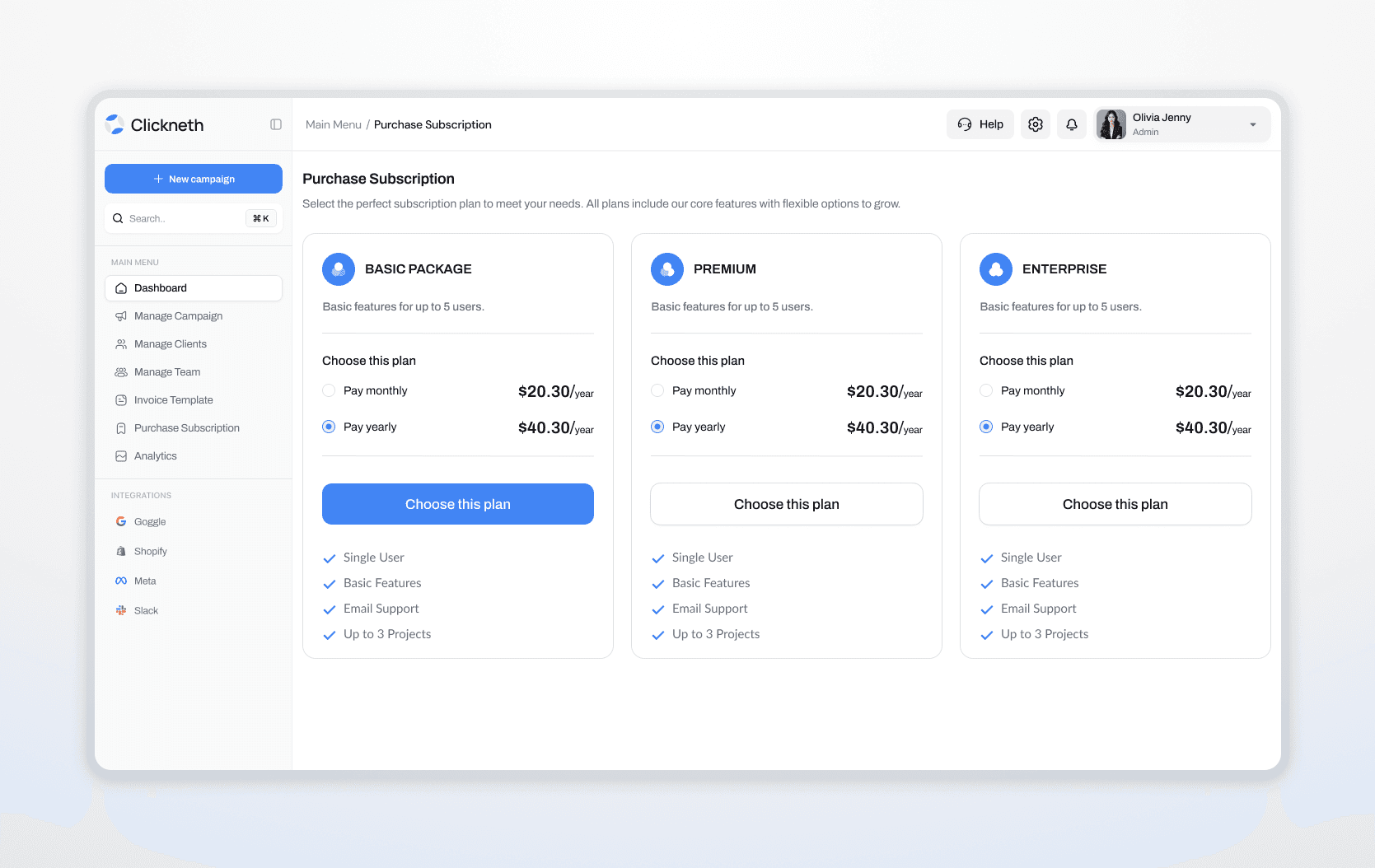
Stock, Orders, Purchasing, and Production in Step
Inventory across locations, purchase orders and supplier lead times, sales orders and fulfilment, production planning where you make things, and the audit trail that makes all of it defensible. Numbers reconcile because they come from one place.
- Multi location inventory with real time stock movements
- Purchasing, suppliers, and lead times tracked properly
- Order to fulfilment flow with a full audit trail
Numbers Your Accountant Recognises
Invoicing, credit notes, payments, and cost tracking that reconcile with your accounting system instead of needing a monthly repair job. Reports are built for the people who ask for them, with permissions so sensitive figures stay where they belong.
- Two way integration with Xero, QuickBooks, or Sage
- Cost, margin, and stock valuation reporting
- Role based permissions and an audit log on every change
The real impact
Why it matters
Most operational pain is not a missing feature, it is the same information typed into four places. That is where the errors, the reconciliation, and the delay come from, and a single shared data model removes the retyping, which is the part that actually saves hours.
The global ERP software market was valued at $47 billion in 2025, projected to reach $57 billion by 2033 at 9.5% CAGR. ERP is the second-largest enterprise software category after CRM.
Source: Grand View Research, 2025
The average ROI for ERP projects is 52%, with most businesses recovering their investment in 2.5 years. 83% of companies that performed pre-implementation ROI analysis met their expectations.
Source: DocuClipper / Panorama Consulting, 2025
91% of companies with at least one ERP phase live for a year or longer reported optimised inventory levels. ERP transforms inventory from guesswork to data-driven management.
Source: NetSuite / ERP Statistics, 2025
Technologies we build with
 Django
 HubSpot
 SAP
SAP PostgreSQLDjangoHubSpotSAPPostgreSQL
 Node.js
 Python
 React
React AWSNode.jsPythonReactAWS
Explore more
Related services
More ways we help teams with crm and business systems.
FAQ
Frequently asked questions
Everything you need to know about this service.
Packaged ERP is the right answer when your processes are close to standard, because building is genuinely expensive. Custom makes sense when your operation is your advantage, when licence and consultancy costs have overtaken the benefit, or when you need three modules rather than thirty.
Ready to start your next project?
Let us turn your idea into software that scales. Book a free consultation and we will map out the build with you.
Trusted by the teams we build with