Inventory Management You Can Trust to the Unit
Real time stock across every location, barcode workflows your warehouse team will actually use, and reorder points that stop both stockouts and dead capital sitting on a shelf.
Overview
What is Inventory Management Systems?
An inventory management system tracks stock levels, movements, and locations across a business in real time. It typically covers receiving, transfers, picking, stock counts, batch or serial traceability, and reorder rules, and integrates with sales channels and accounting so figures stay consistent.
Inventory systems live or die on whether the number on the screen matches the number on the shelf. That means movements captured where they happen, on a scanner or a phone, rather than typed up afterwards. The build covers stock across locations and bins, receiving, transfers, picking and packing, cycle counts, and batch or serial tracking where you need traceability. Reorder points and supplier lead times drive purchasing suggestions, and integrations keep your store, marketplaces, and accounting system in step so you are not selling stock you do not have.
Capabilities and features
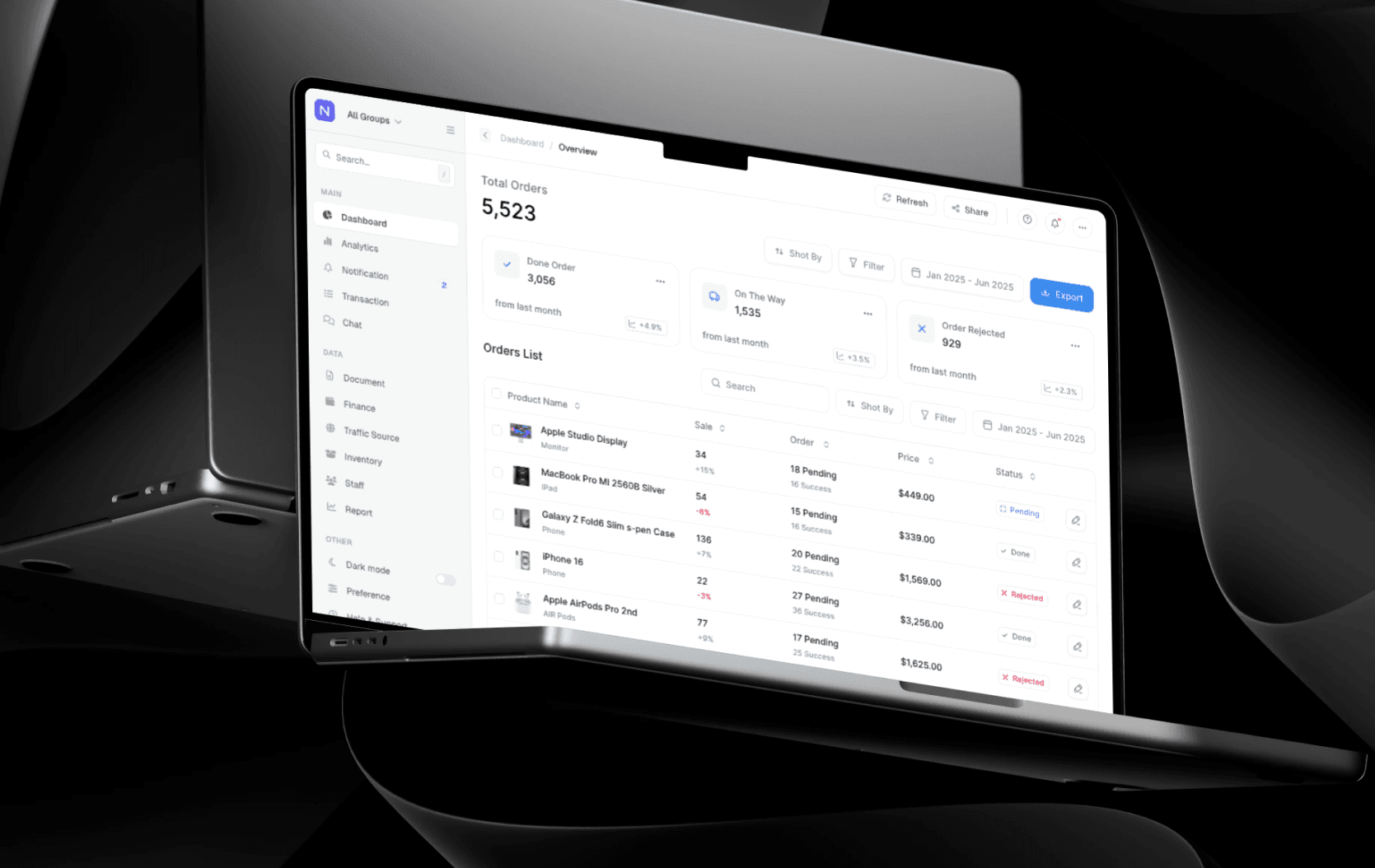
One Truthful Number per Location
Stock by warehouse, shop, van, or bin, with transfers that are tracked rather than assumed and a movement history that explains every change. Allocation rules decide which location serves an order, so the answer is consistent instead of habitual.
- Real time stock by location, with bins where you need them
- Transfers, adjustments, and write offs with reasons recorded
- Full movement history and audit trail per item
Captured on the Floor, Not Typed Up Later
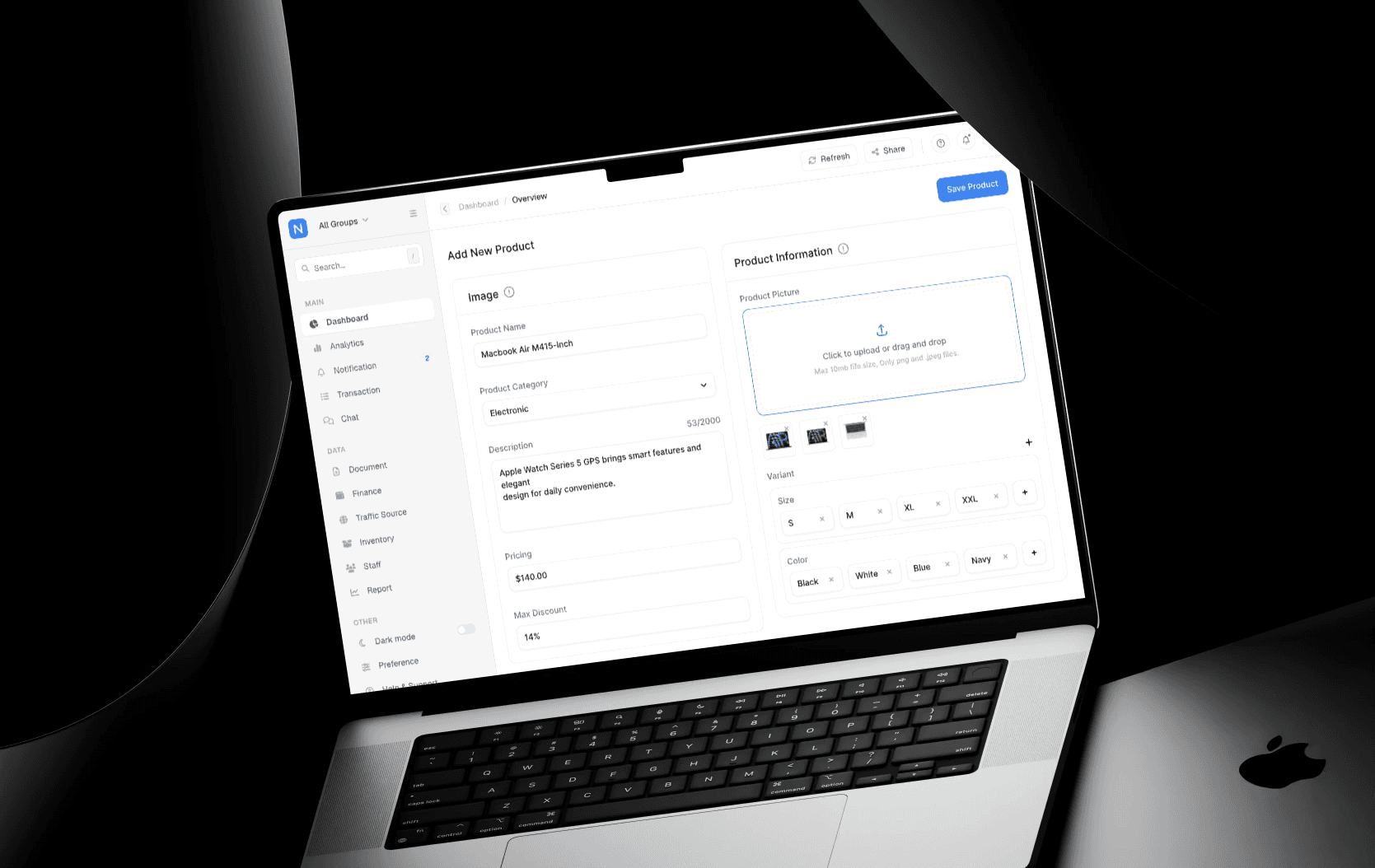
Receiving, picking, packing, and counting done on a scanner or a phone, with validation at the point of scan so mistakes are caught immediately. Cycle counting replaces the annual shutdown, and it keeps working where the signal drops.
- Barcode and QR workflows for receiving, picking, and counts
- Works offline in the warehouse and syncs when back in range
- Cycle counts with variance reporting instead of one big stocktake
Buy the Right Amount at the Right Time
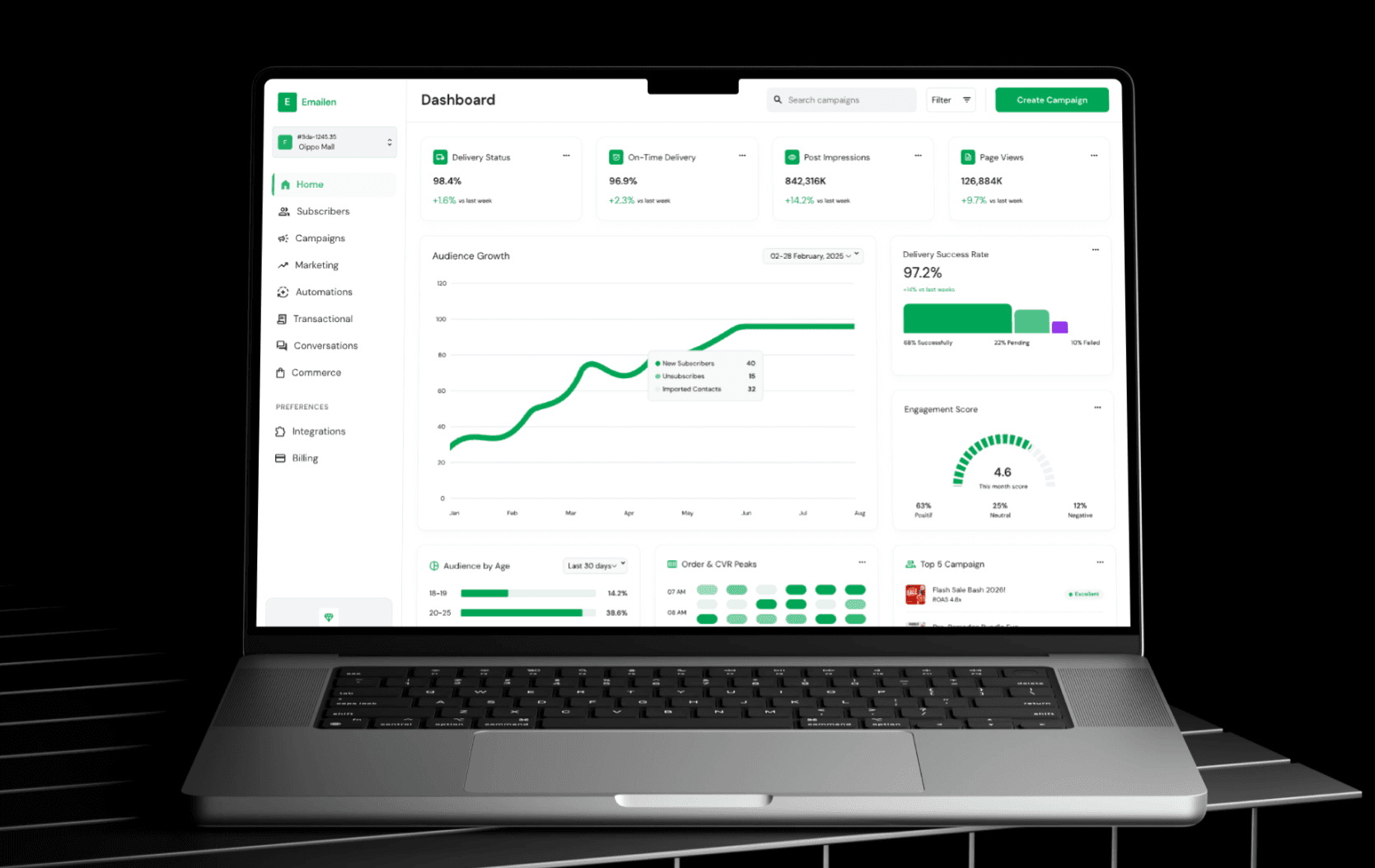
Reorder points and supplier lead times drive purchasing suggestions, with demand history and seasonality taken into account. Sales channels, shipping, and accounting are connected so stock, orders, and valuation agree across systems.
- Reorder points, lead times, and purchase order generation
- Shopify, WooCommerce, marketplace, and shipping integrations
- Stock valuation that reconciles with your accounting system
The real impact
Why it matters
Wrong stock numbers cost twice: sales you cannot fulfil, and cash tied up in things you did not need to buy. Both come from the same gap between the shelf and the spreadsheet, and closing it is usually the fastest operational win available.
Projected global inventory management software market size for 2026, growing at 9.13% CAGR through 2034 driven by ecommerce growth and the shift to cloud based systems
Source: Fortune Business Insights, 2025
Of inventory management deployments now use SaaS based platforms as cloud adoption has overtaken on premise installations with businesses prioritising flexibility, remote access, and lower upfront costs
Source: Future Market Insights, 2026
Of businesses report a measurable reduction in stockout events after implementing a centralised inventory dashboard with real time visibility being the single biggest driver of operational improvement
Source: Market Reports World, 2026
Technologies we build with
 Django
 HubSpot
 SAP
SAP PostgreSQLDjangoHubSpotSAPPostgreSQL
 Node.js
 Python
 React
React AWSNode.jsPythonReactAWS
Explore more
Related services
More ways we help teams with crm and business systems.
FAQ
Frequently asked questions
Everything you need to know about this service.
They are fine while stock lives in one place and you sell on one channel. Custom becomes worth it with multiple locations, batch or serial traceability, manufacturing or kitting, or several sales channels that all need one shared source of truth.
Ready to start your next project?
Let us turn your idea into software that scales. Book a free consultation and we will map out the build with you.
Trusted by the teams we build with