Cloud Migration Without the Big Bang Weekend
Migration planned application by application, with dependencies mapped, running costs modelled before you commit, and a tested rollback for every cutover. Nobody spends a weekend hoping.
Overview
What is Cloud Migration?
Cloud migration is the process of moving applications, data, and infrastructure from on premise servers or another provider into a cloud platform. It usually involves an inventory and dependency assessment, choosing a strategy per application, moving data, and cutting over with a rollback plan.
Migrations overrun for predictable reasons: an undocumented dependency, data volume nobody measured, and a cutover with no way back. So the work front loads the boring parts. Every application is inventoried with its dependencies and its data, then given a route: rehost, replatform, refactor, or retire, with the cost and risk of each written down. Moves happen in waves, smallest and least critical first, so the team learns on something forgiving. Each cutover has a rehearsed rollback and a defined window, and the old environment stays until the new one has proved itself.
Capabilities and features
Find the Dependencies Before You Move Anything
Every application, integration, scheduled job, and data store is inventoried, with owners and dependencies recorded. Each one gets a strategy and an estimated cost, so the plan is a sequence with numbers attached rather than an intention to move to the cloud.
- Application and dependency inventory with named owners
- Rehost, replatform, refactor, or retire decided per application
- Target architecture and running cost modelled before commitment
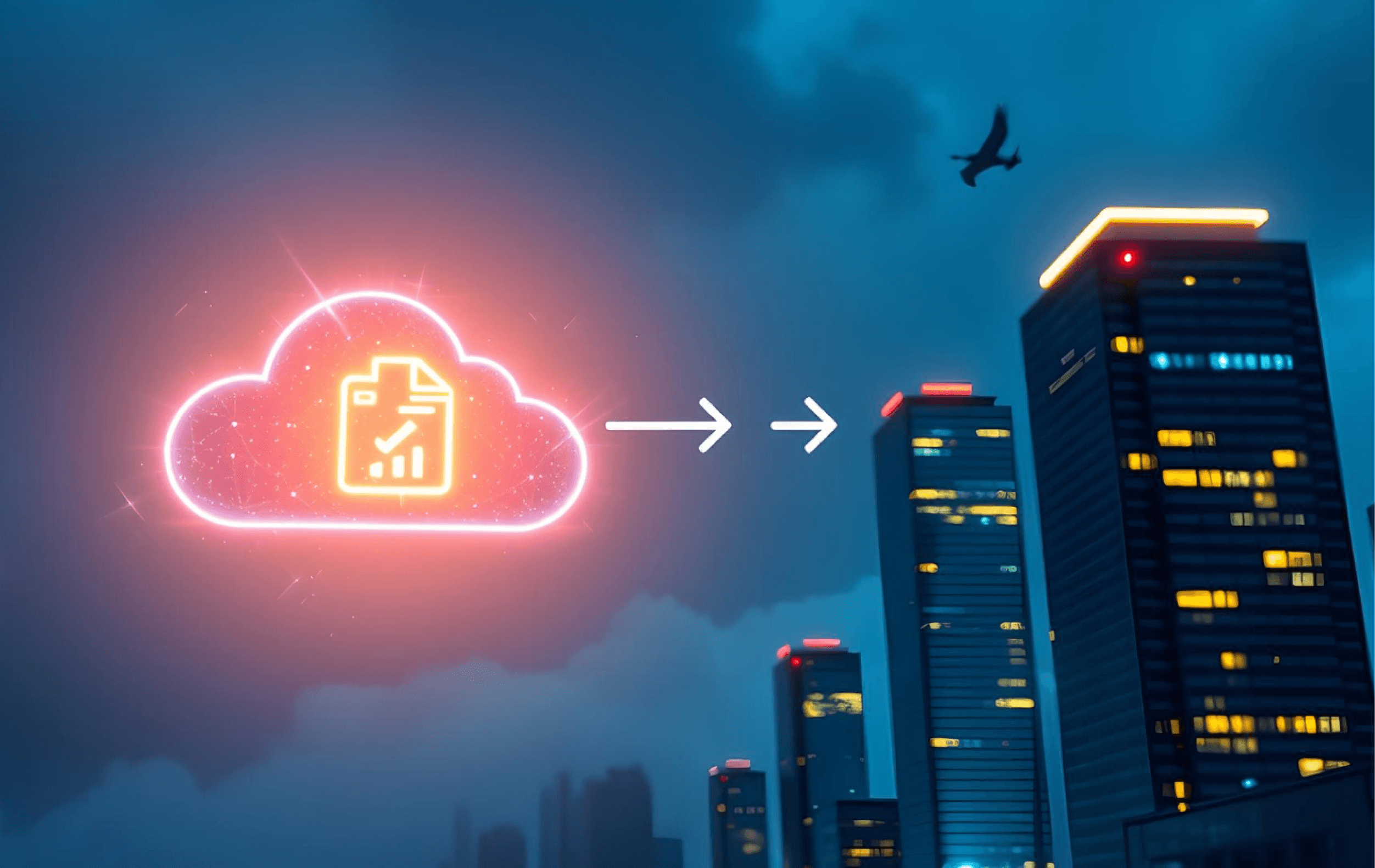
Moved, Verified, and Reconciled
Data is moved with replication where possible so the window stays short, then reconciled with row counts and checksums rather than a visual check. Large volumes are seeded ahead of time and caught up at cutover, and the original copy stays available.
- Replication and incremental sync to keep the window short
- Row counts and checksums verified before sign off
- Encryption in transit and at rest throughout the move

Every Move Has a Way Back
Cutovers run in waves against a written runbook, with go and no go criteria agreed in advance and a rollback that has been rehearsed rather than merely documented. The previous environment is kept until the new one has run through a real business cycle.
- Wave based cutover with a written runbook per application
- Rehearsed rollback with agreed go and no go criteria
- Old environment retained until the new one is proven
The real impact
Why it matters
Migrations rarely fail on technology, they fail on discovery. The dependency nobody documented and the database nobody measured are what turn a planned weekend into a fortnight, so time spent on the inventory is the cheapest insurance in the project.
Of cloud migrations ran over budget according to McKinsey. The most common causes are poor planning, scope creep, and underestimated data complexity.
Source: McKinsey, 2021
Average migration cost for a mid-market company (100 to 999 employees) including services, tooling, and first-year cloud costs. Enterprise migrations average $1.2M to $4.5M.
Source: IDC / Medha Cloud, 2026
Of cloud migrations are now completed on time and within budget, up from 54% in 2022. Better tooling and more mature methodologies are improving success rates.
Source: IDC, 2025
Technologies we build with
 AWS
AWS Google Cloud
 Microsoft Azure
 Docker
 Kubernetes
 TerraformAWSGoogle CloudMicrosoft AzureDockerKubernetesTerraform
 GitHub Actions
 GitLab CI
 Prometheus
 Grafana
 Datadog
 LinuxGitHub ActionsGitLab CIPrometheusGrafanaDatadogLinux
Explore more
Related services
More ways we help teams with cloud and devops.
FAQ
Frequently asked questions
Everything you need to know about this service.
A single application usually takes four to eight weeks including assessment and cutover. A datacentre with dozens of applications takes nine to eighteen months in waves. The assessment gives you a dated plan per application rather than one number for everything.
Ready to start your next project?
Let us turn your idea into software that scales. Book a free consultation and we will map out the build with you.
Trusted by the teams we build with