Product Design That Turns Ideas Into Products
We take an idea from a rough sketch to a build ready product: discovery, a scoped first version, prototypes tested with real users, and a design system to grow into.
Overview
What is Product Design?
Product design is the process of deciding what a digital product should do and how people will use it, before and during development. It covers discovery and research, scoping a first version, designing and testing flows, and documenting a system the build can follow.
Product design is the work of deciding what to build before deciding how it looks. That starts with the problem, the people who have it, and what they do today instead. The first version is then scoped honestly, cutting features that sound good but cannot be validated yet, and the flows are prototyped and tested with people who match your users. The output is a specification developers can price and build, plus a design system that makes version two cheaper than version one.
Capabilities and features
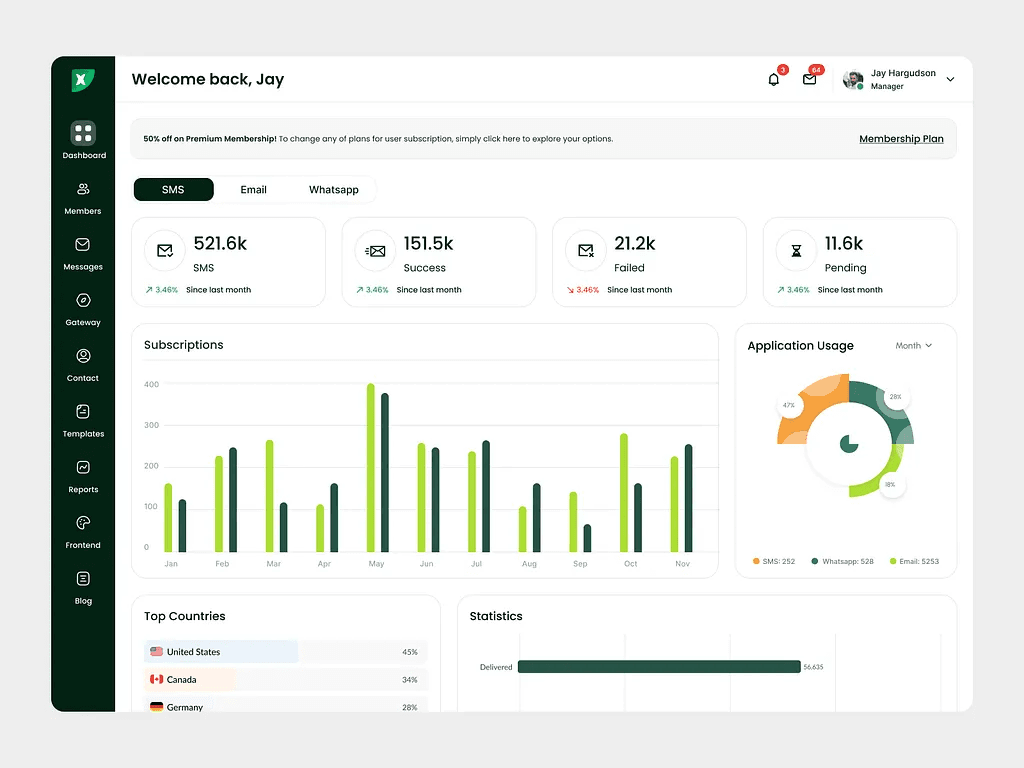
Understand the Problem Before Pricing the Build
Interviews with the people who have the problem, a look at what they use today, and a clear statement of the outcome the product has to produce. Assumptions are written down and marked tested or untested, so nobody mistakes a hunch for a requirement.
- User and stakeholder interviews with findings written up
- Analysis of current tools and workarounds, spreadsheets included
- Assumptions logged, ranked, and marked tested or untested
A First Version Small Enough to Learn From
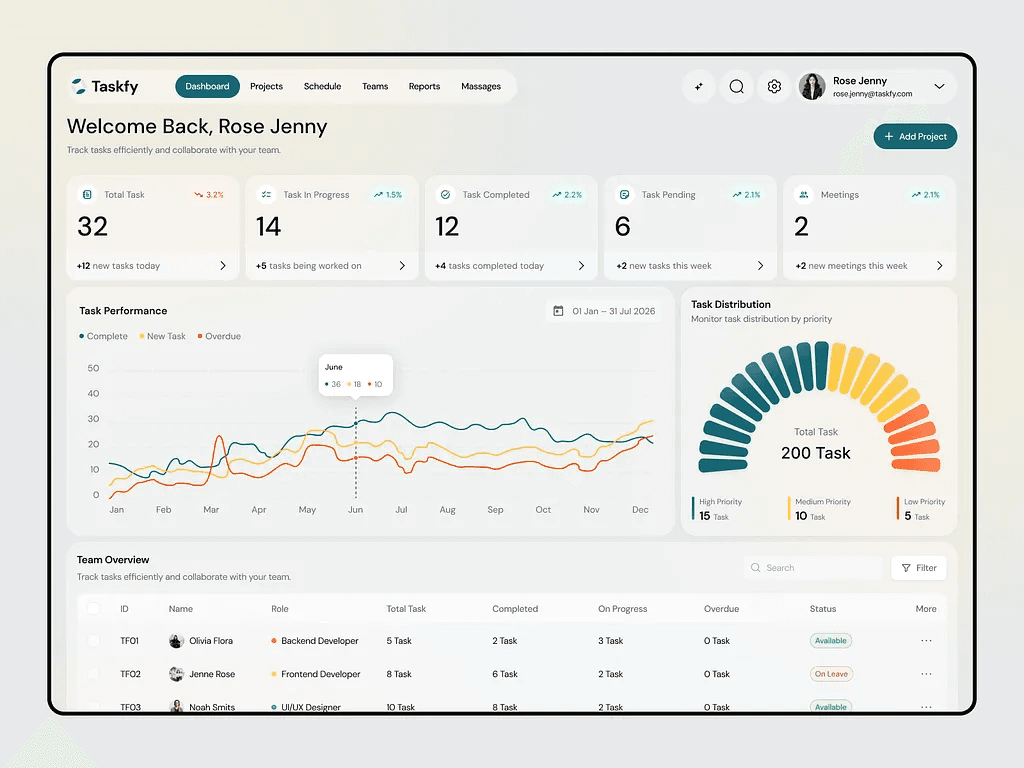
The feature list is cut to what is needed to test the core assumption with real users, and everything else is parked in a documented backlog rather than deleted. Prototypes are tested before the build, because a change at that stage costs hours instead of sprints.
- Scope agreed against one clear success measure
- Clickable prototype tested with people who match your users
- Backlog documented so later phases are already planned
Built So Version Two Costs Less
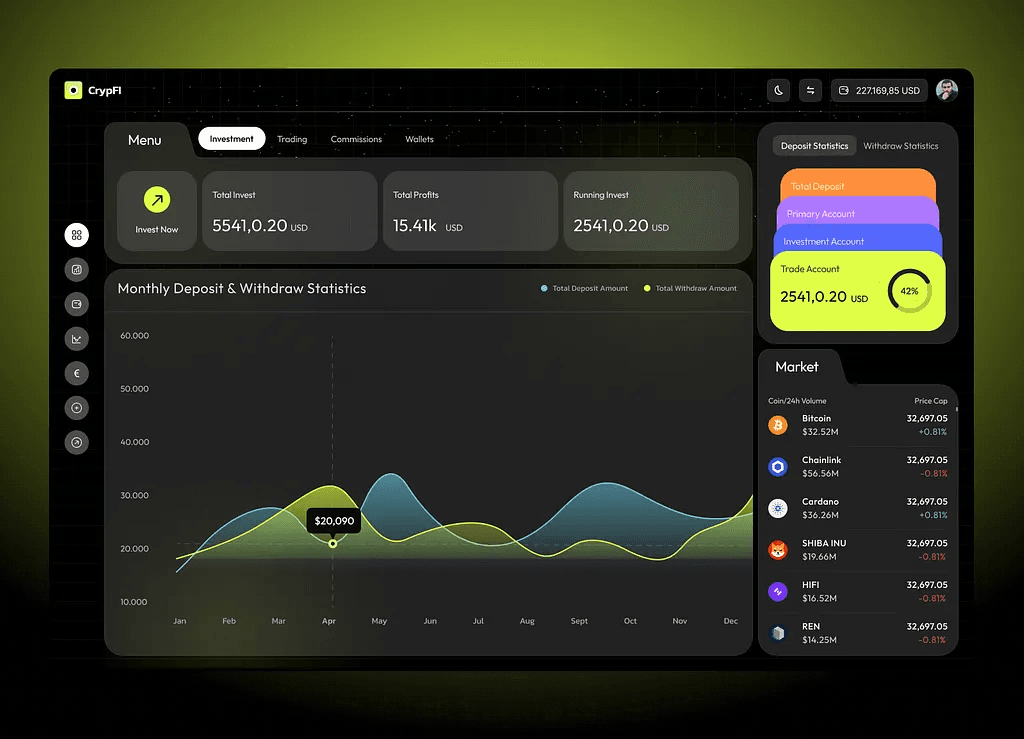
Components, tokens, and patterns are documented once, so new screens reuse decisions instead of reopening them. Handoff gives developers specifications they can build from, and a session in which to ask the awkward questions.
- Component library with tokens, states, and usage rules
- Specifications developers can estimate against
- Walkthrough session and written documentation at handoff
The real impact
Why it matters
Most products do not fail on craft, they fail on scope: too much built too early for users who were never asked. Deciding what not to build is the cheapest work in the whole project, and the only stage where changing your mind is free.
Of startups fail because they build a product nobody needs. This is the number one reason for startup failure, above running out of money, team problems, or competition.
Source: CB Insights Startup Post-Mortems
Every dollar invested in UX and product design returns $100 in business value (9,900% ROI). Design is the highest-returning investment a product team can make.
Source: Forrester Research
Design-led companies outperformed the S&P 500 by 228% over 10 years. Good design is not a cost centre. It is a competitive advantage measured in market cap.
Source: Design Management Institute / McKinsey
Technologies we build with
 Figma
Figma Adobe Illustrator
 Adobe Photoshop
 CanvaFigmaAdobe IllustratorAdobe PhotoshopCanva
Explore more
Related services
More ways we help teams with design.
FAQ
Frequently asked questions
Everything you need to know about this service.
UI and UX design shapes how a product works and looks. Product design includes that and adds the decisions before it: what to build, for whom, in what order, and how you will know it worked. On a new product you usually need product design first.
Ready to start your next project?
Let us turn your idea into software that scales. Book a free consultation and we will map out the build with you.
Trusted by the teams we build with